


How to Repair Flange Corrosion With Belzona Flange Face Forming
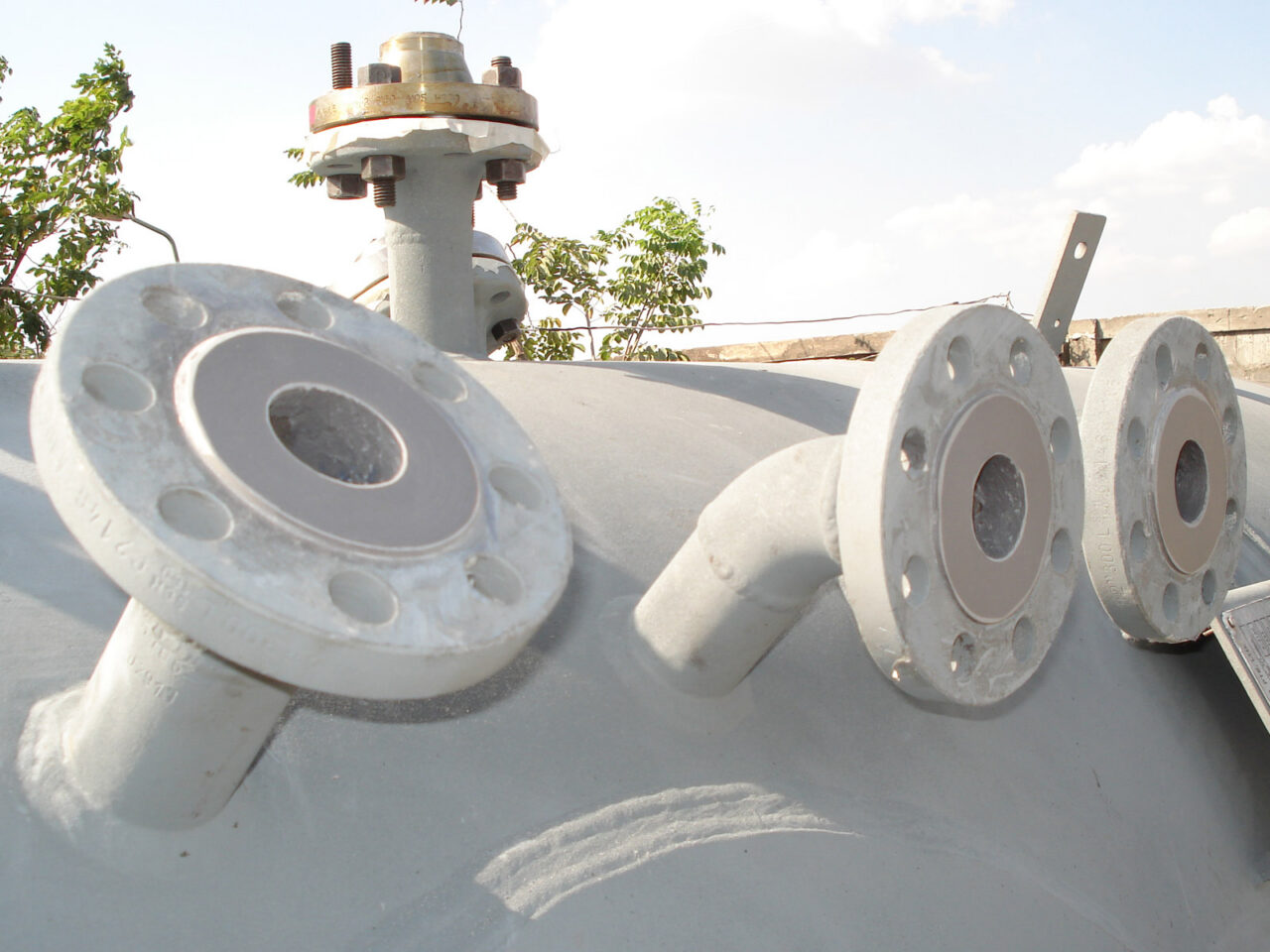
Flanged connections are critical to the containment of fluids in piping systems, but flange corrosion can quickly compromise their performance. When corrosion, erosion, heat distortion, or mechanical damage affects the sealing surface, the result can be leakage, environmental damage and costly downtime.
The Impact of Flange Face Corrosion
A damaged flange face can affect more than just appearance. If the mating surfaces are no longer flat, clean, and correctly formed, the gasket may not seal properly, increasing the risk of leaks and repeat maintenance. In severe cases, corrosion of the sealing area can lead to product loss, environmental impact, and safety risks.
External corrosion around flanges and fastenings can also make inspection more difficult. That is why flange protection is often treated as part of a wider asset integrity strategy, not just a one-off repair.
What Causes Flange Corrosion and Flange Face Damage?
Flange corrosion is a common issue in piping systems exposed to moisture, chemicals, and aggressive operating conditions. Over time, pitting and crevice corrosion can develop on the flange face, reducing sealing performance and increasing the risk of leakage. Damage can also occur through handling, gasket removal, erosion, and heat distortion, all of which can affect the condition of the raised face and the reliability of the seal.
How Belzona Flange Face Forming Works
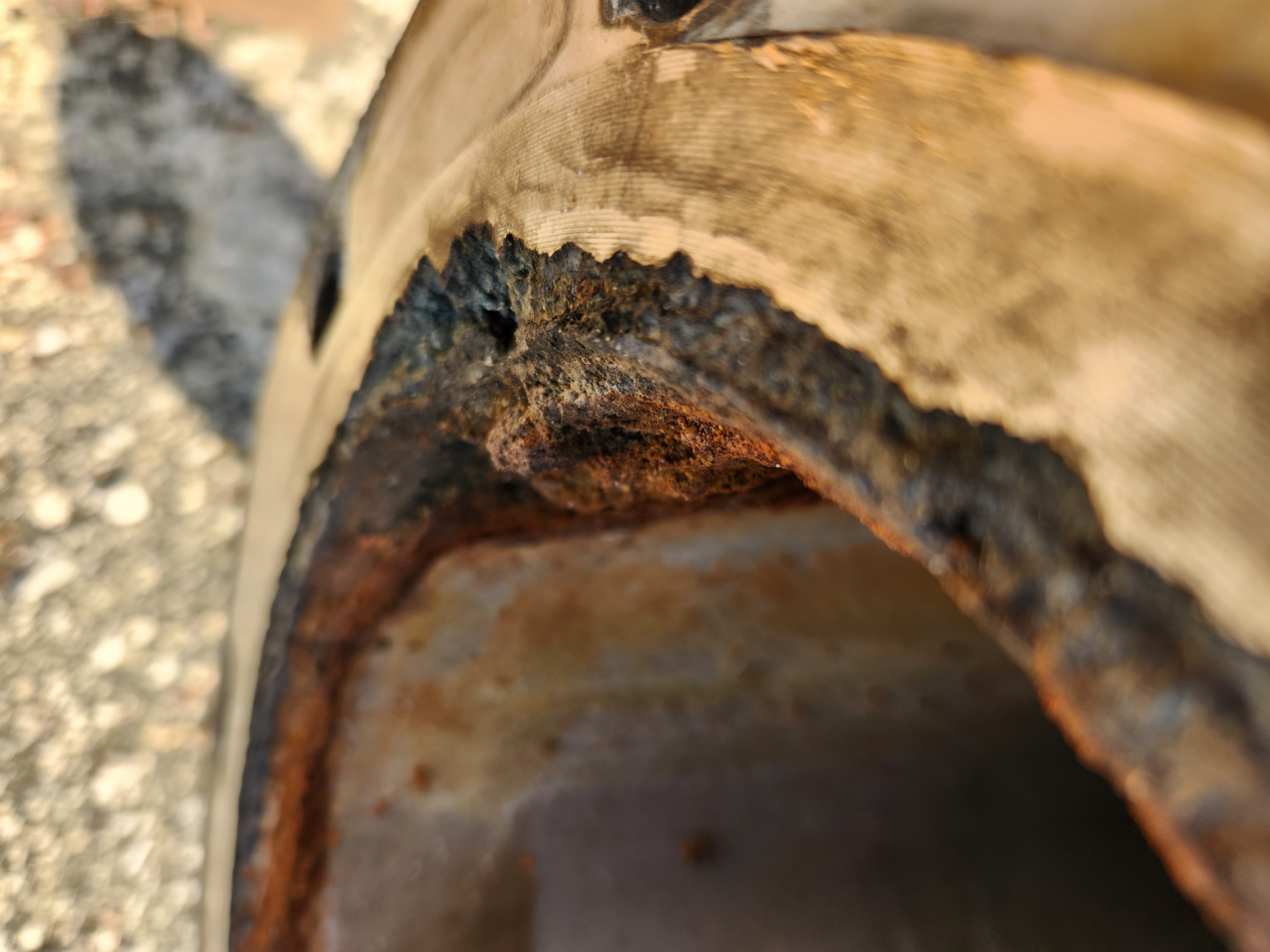
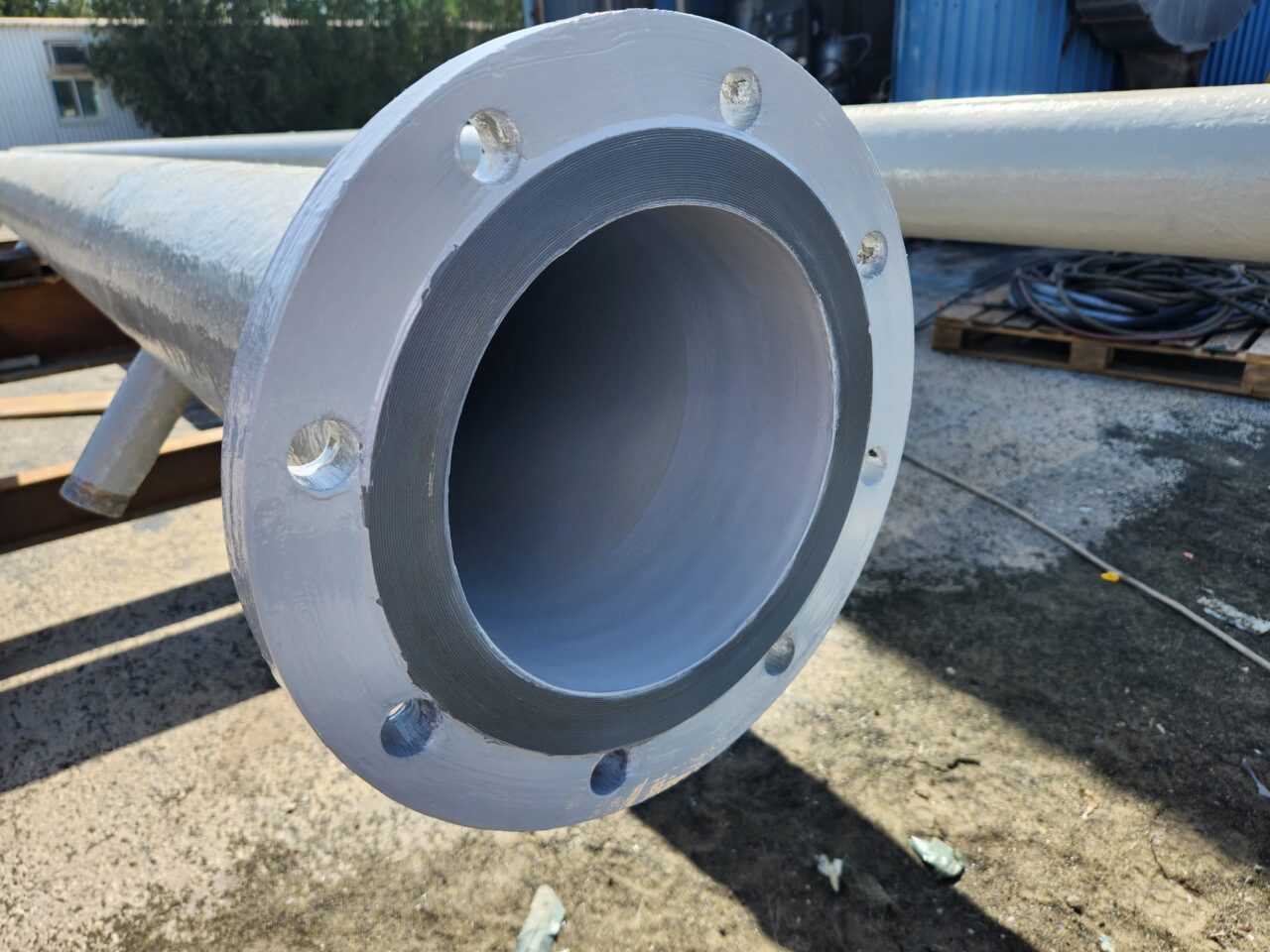
The Belzona flange face forming technique has been developed over many years to restore raised flange faces in situ. The system uses reusable formers and a selected Belzona epoxy metal repair composite to rebuild the damaged face and recreate the correct sealing profile without conventional cut-and-weld repair methods.
Watch Video:
Belzona Flange Face Forming Step-By-Step Guide
Step 1: Select the correct former
Choose the appropriate flange face former for the flange size, then dry fit it to check alignment and bolting hole position. Belzona can provide drawings for the manufacture of flange face formers designed to ASME B16.5 standards for Class 150 and 300 flanges and Schedule 80 and 160 pipes. These formers can be fabricated from various materials, most commonly carbon steel, aluminium, and ABS plastic.
Step 2: Protect non-bonding surfaces
Apply Belzona 9411 (Release Agent) to the former and any areas where the Belzona material should not bond, including bolts and nuts and allow to dry.
Step 3: Surface preparation
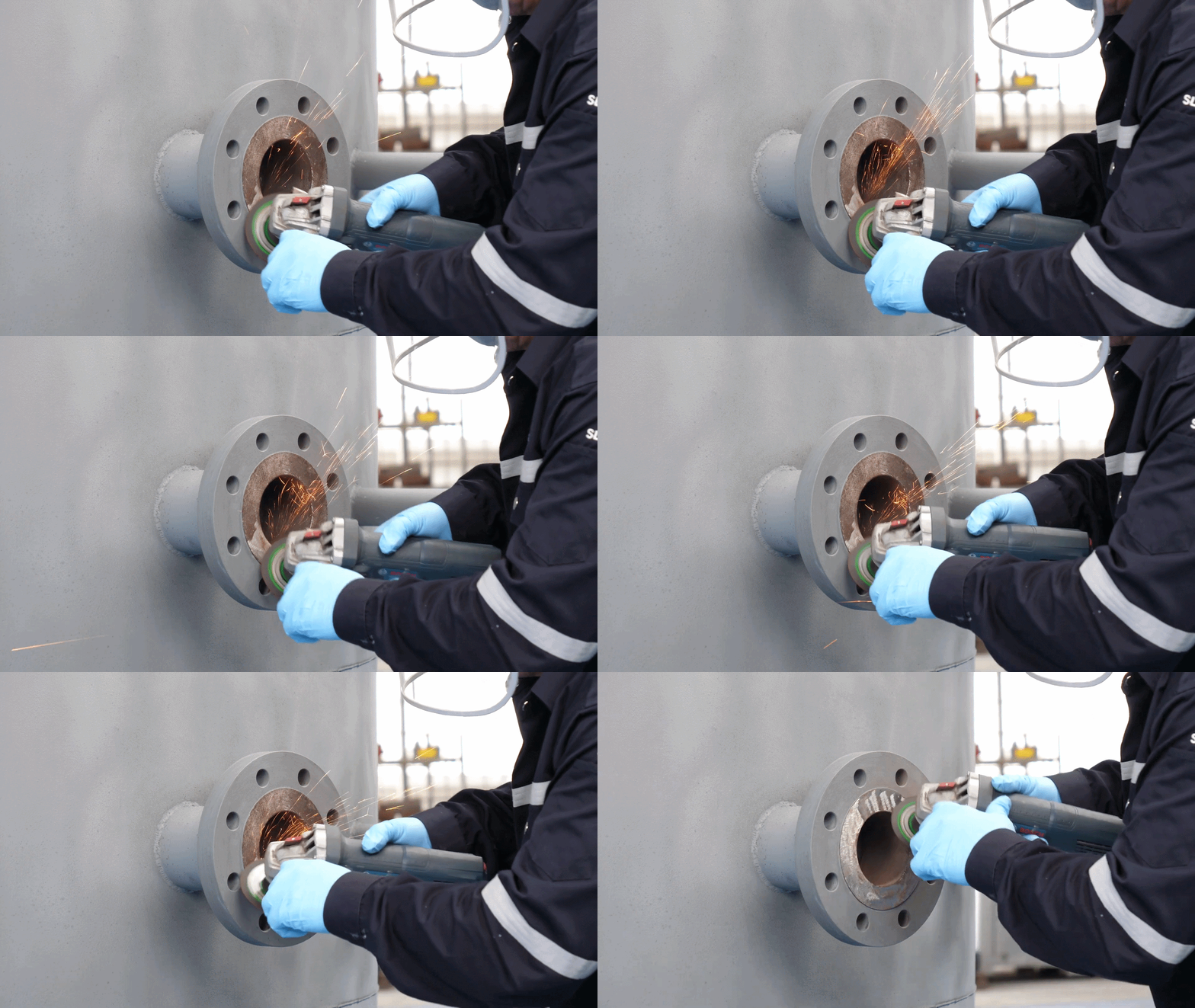
Roughen the damaged surface using grit blasting, bristle blasting, or rough grinding to create a clean profile for adhesion.
Step 4: Clean the surface
Remove all dust, grease, and contamination using a Belzona 9111 (Cleaner Degreaser) or other suitable cleaner that leaves no residue.
Step 5: Mix and apply the Belzona material
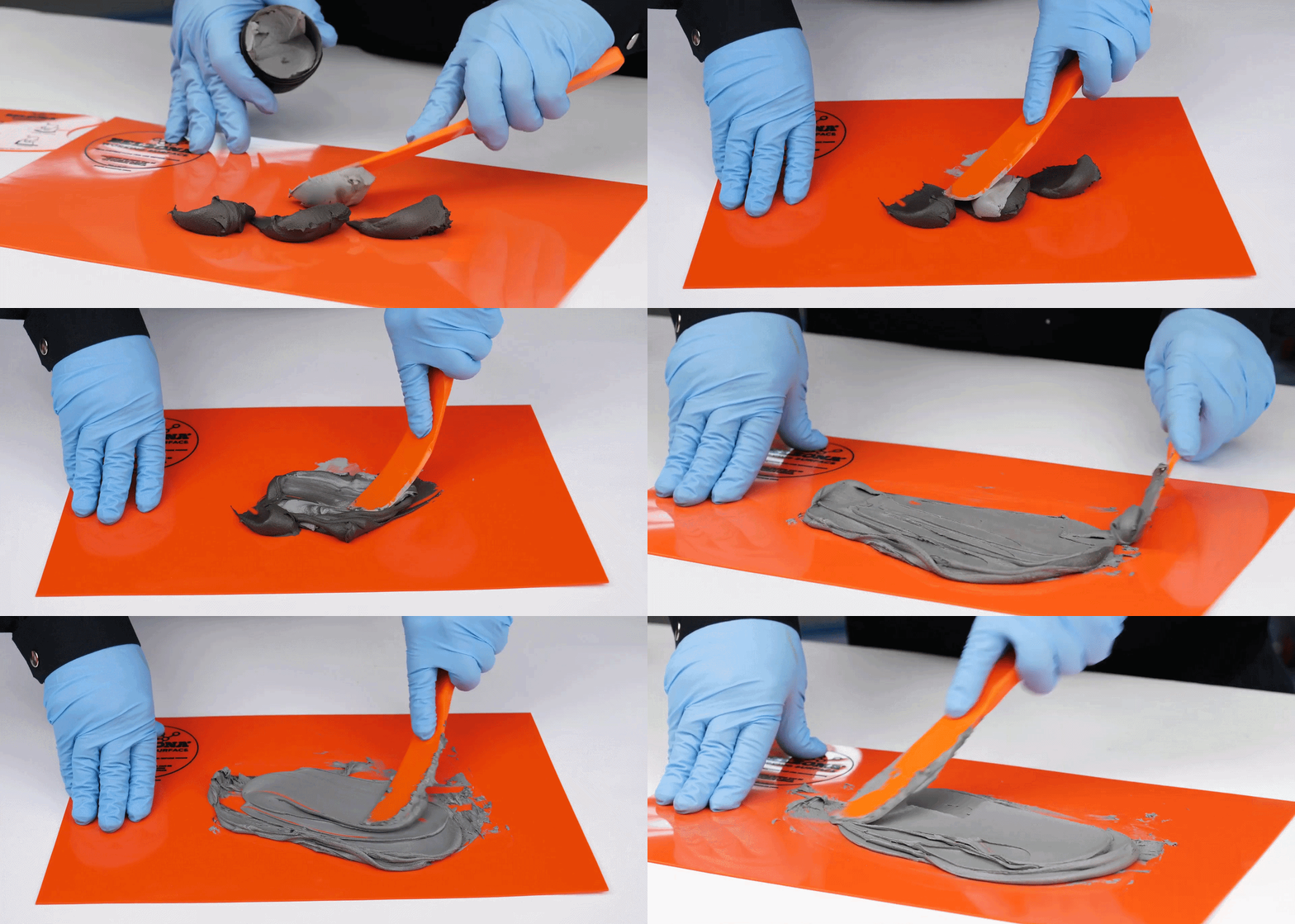
Mix the selected product as per the information for use sheet.
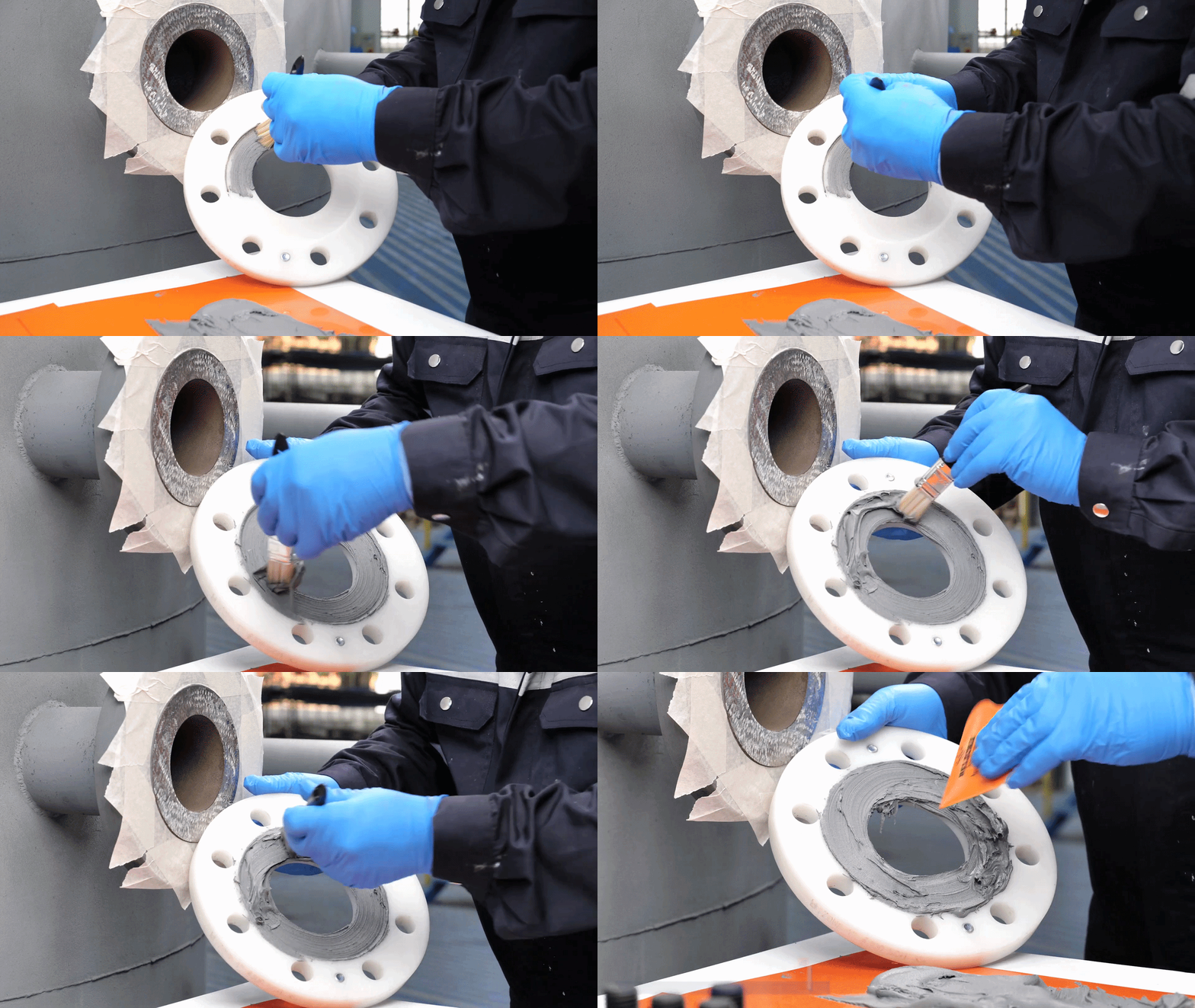
Apply a thin layer onto the former.
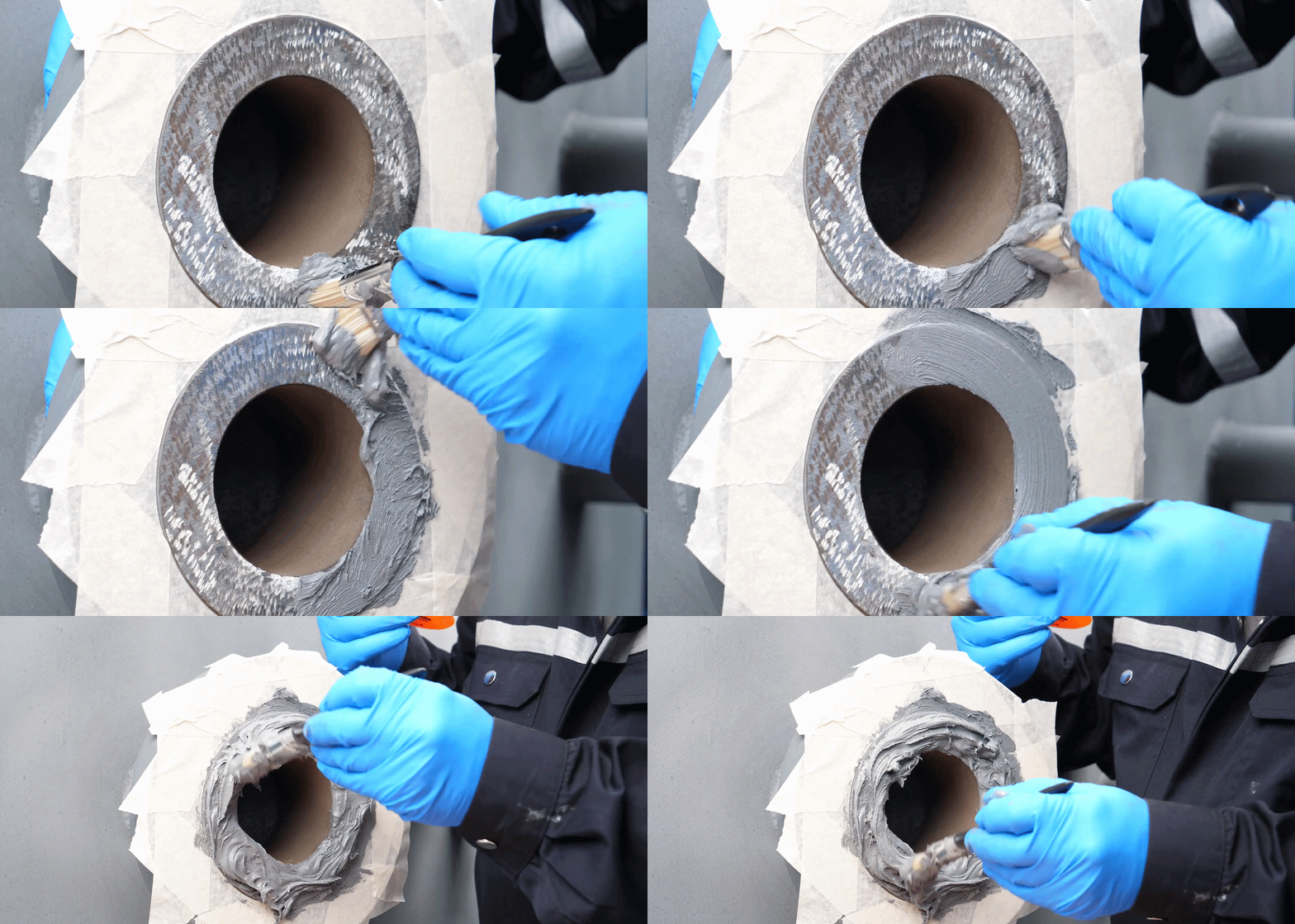
Work the product into the prepared surface of the flange.
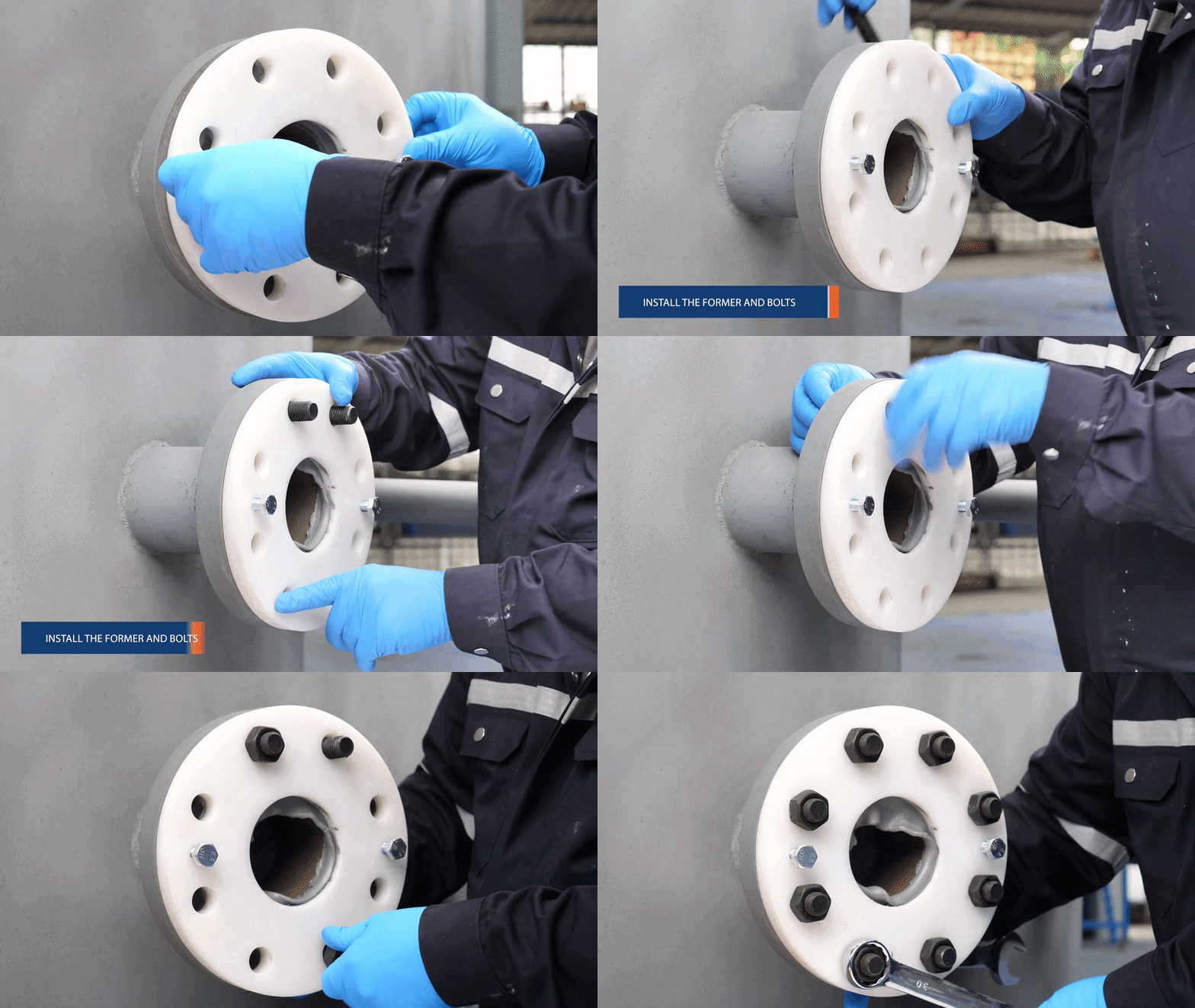
Bring the surfaces together to form the repair to the correct level.
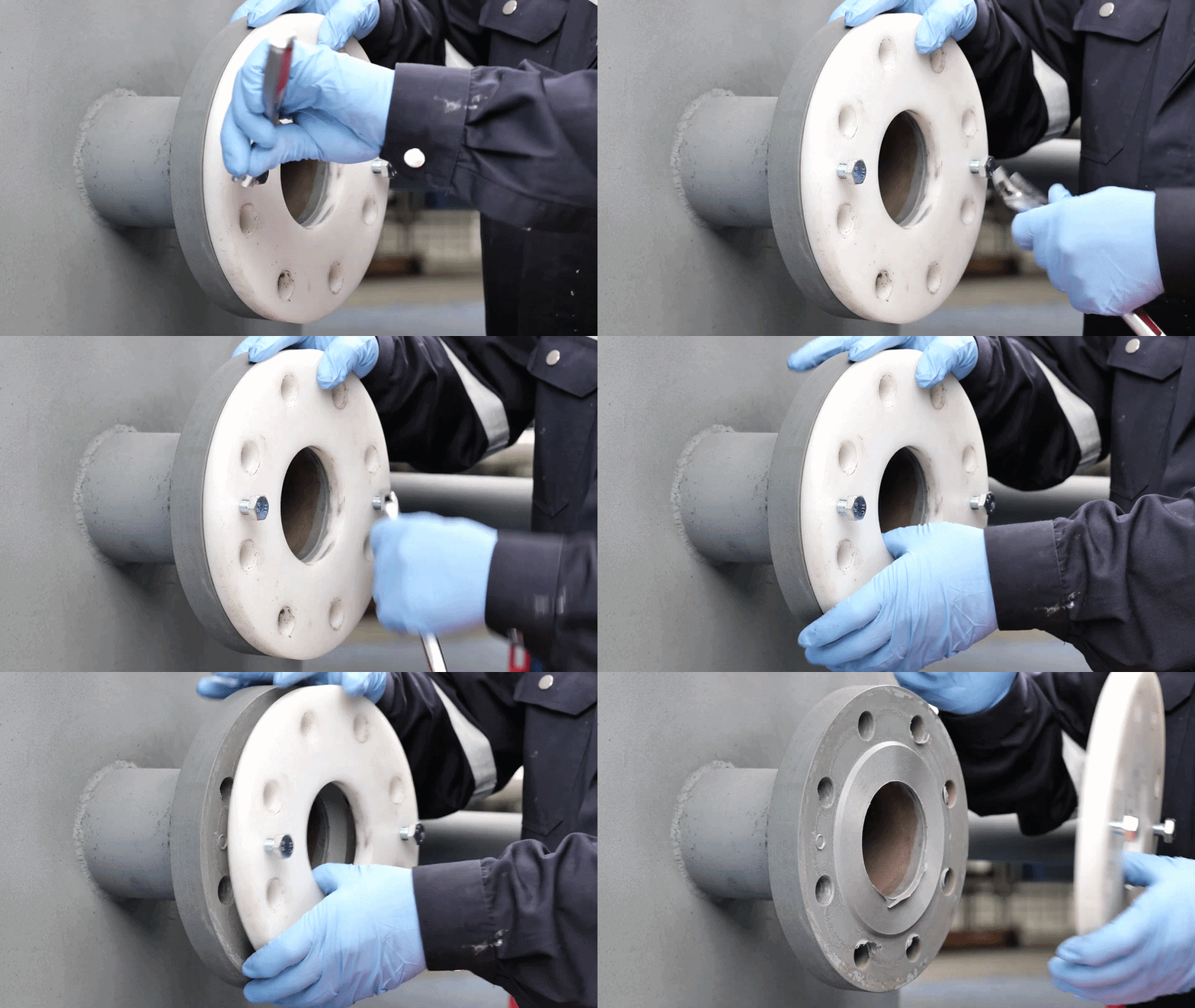
Step 6: Allow the repair to cure
Leave the Belzona material to cure fully before dismantling the former and removing the bolts.
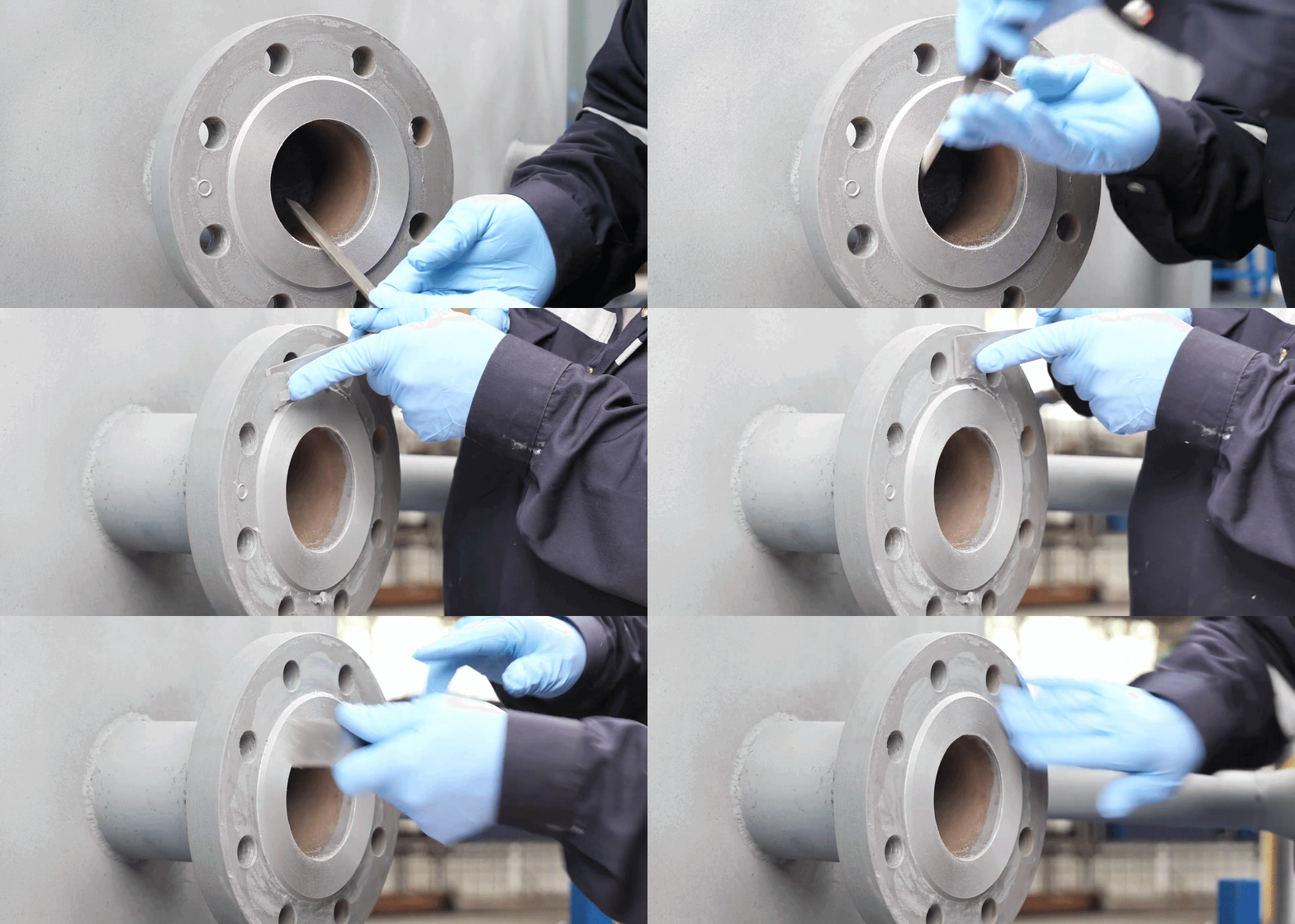
Step 7: Inspect the finished repair
Check for defects such as voids, soft spots, uneven thickness, or colour differences, then dress down any minor irregularities if needed.
Choosing the Right Belzona Product
The right Belzona product depends on the nature of the damage, the service environment, and the performance required from the repair.
- Belzona 1111 (Super Metal) is recommended for standard rebuilding
- Belzona 1121 (Super XL-Metal) is often specified when longer working life is required
- Inspect the finished repair 1311 (Bearing Metal) is ideal when erosion resistance is the priority
- Belzona 1511 (Super HT-Metal) is recommended for heat resistance
- Belzona 4301 (Magma CR1 Hi-Build) offers additional chemical resistance
Why Belzona Flange Face Forming?
Belzona’s flange face forming technique is especially useful where hot work is not an option or access is limited. It is also a practical solution when a damaged flange needs to be restored quickly and replacements are not readily available. In these cases, the ability to rebuild the flange face in situ can reduce downtime and keep the asset in service.
When used alongside nozzle inserts and the Belzona industrial coating range, this solution becomes an integral part of our total vessel lining solution.
What is crevice corrosion?
Crevice corrosion is a common damage mechanism where there is a concentration of corrosive substances in a localised area. The rate of corrosion is accelerated by the concentration of corrosive materials within a confined space. The crevice between two flange faces is the ideal environment for crevice corrosion. The flange face is predominantly prone to crevice corrosion when flanges are used in extremely corrosive environments.
What are the alternative repair methods for damaged flange faces?
Alternative methods to the Belzona flange face forming solution include machining, weld build-up followed by machining, polishing, or full flange replacement depending on the severity of the damage. The best option usually depends on access, downtime, and how badly the flange face has been affected.
Why is flange face damage a problem?
Corrosion of the sealing area can result in a loss of containment and release of product with potentially catastrophic consequences for the environment. Insufficient protection on these areas can lead to rapid and more extensive damage to the flanges and fastenings which will accelerate the deterioration of the system’s integrity. The consequences of such a situation are not easy to predict since they are dependent upon prevailing conditions. Depending on the severity of the environmental conditions, there may be a slow continuous degradation of the substrate; however, under extreme conditions, the external corrosion process may rapidly reach a point where the structural integrity of the system is adversely affected and could result in a catastrophic loss of containment.
What causes flange face corrosion?
Trapped corrosives in flange gaps can quickly attack faces and gaskets, leading to leaks and potential
system failure. Without protection, even minor corrosion can escalate into significant damage.
Source : https://blog.belzona.com/

P.T. Tunas Tasik was established in 1960 as a general trading company. In 1982 the company concentrated its business in the field of Industrial Maintenance and Repair when it acquired the sole agency for the Belzona range of high performance polymers from Belzona Polymerics Ltd. UK.

© 2024 PT. Tunas Tasik - All Rights Reserved
Comments (0)